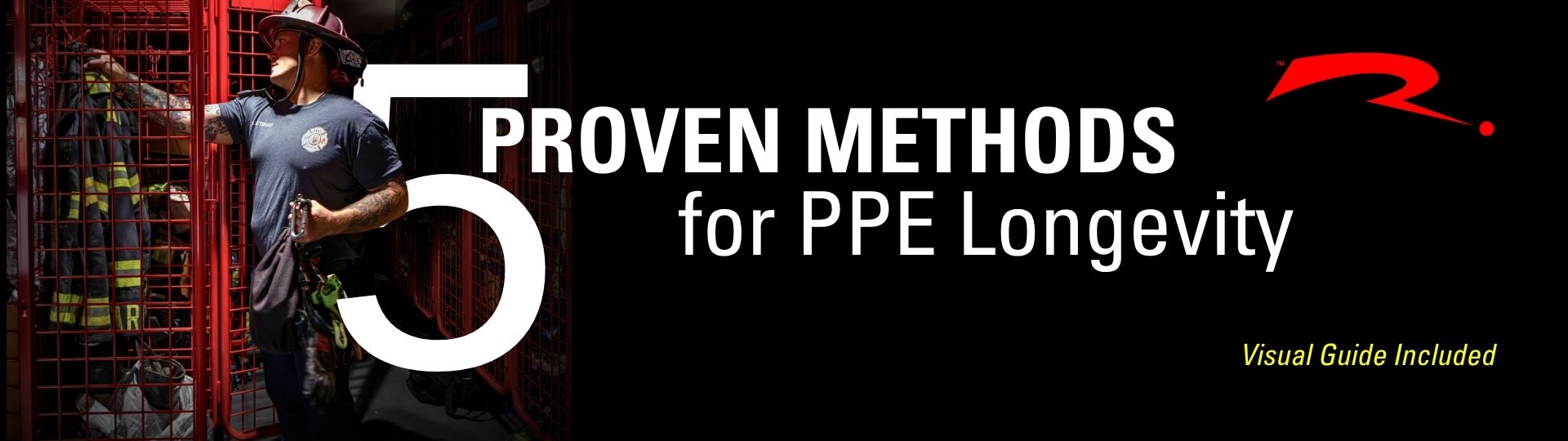
Proper care of your personal protective equipment (PPE) is critical for ensuring the health, safety, and effectiveness of first responders. Neglecting your Ricochet PPE can lead to increased exposure to toxins, reduced performance, and even PPE failure during critical situations. To maximize the lifespan and reliability of your gear, it’s essential to follow NFPA guidelines and industry best practices for regular cleaning, inspection, and storage
5 Proven Methods for Maintaining Your PPE
 Regular Inspection
Before and after each use, thoroughly inspect all PPE components. Look for signs of physical damage such as rips, tears, cuts, abrasions, or indications of thermal damage like discoloration, charring, or melting. Ensure that all seams, closures, and hardware are intact and functioning properly. For gear featuring Ricochet’s Maximum Mobility design, take advantage of the built-in thermal liner inspection port at the hem to easily check the integrity of the liner without disassembling the garment.
 Routine Cleaning
After exposure to fireground contaminants, perform an on-scene gross decontamination by rinsing off debris and soot using a hose and soft brush. This preliminary cleaning can quickly remove a significant amount of harmful substances from turnout gear.
 Advance Cleaning
At least once a year, or more frequently depending on usage and exposure, conduct a thorough cleaning of PPE. Use specialized detergents designed for firefighting gear and follow the manufacturer's instructions for water temperature and machine settings to prevent damage. Advanced cleaning can also be completed at a certified Independent Service Provider (ISP), ensuring proper care and compliance with industry standards.
 Proper Storage
Store PPE in a clean, dry, and well-ventilated area away from direct sunlight and fluorescent lighting, which can degrade some materials over time. Ensure gear is completely dry before storage to prevent mold and mildew growth.
 Adherence to Manufacturer Guidelines
Always follow the manufacturer's recommendations for care and maintenance. They provide specific instructions tailored to the materials and construction of the gear, ensuring optimal performance and longevity.
5 Common Pitfalls and How to Avoid Them
Allowing contaminants to remain on PPE not only deteriorates the materials but also poses health risks to first responders. Implement a routine cleaning schedule to ensure gear remains free from harmful substances.
Using regular household detergents or bleach can damage the fabric and reduce the protective qualities of PPE. Always use cleaners specifically formulated for firefighting gear and avoid harsh chemicals. Never use fabric softener on your Flame-Resistant PPE, as it can interfere with the fabric’s protective properties and reduce its effectiveness.
Overlooking small damages can lead to more significant failures during emergencies. Establish a habit of inspecting gear before and after each use to identify and address issues promptly.
Always separate the outer shell from the thermal liner before washing. Washing them together can lead to cross-contamination, especially since the liner comes into direct contact with your skin. Additionally, the outer shell contains hook-and-loop fasteners that, if not properly secured, can cause damage to the liner during the wash cycle. Always make sure your hook and loop closures are fully fastened and no hooks are exposed, as they can cause abrasion and damage the outer shell fabric over time.
Fixing PPE without proper training or manufacturer approval can compromise its integrity and safety. Always utilize certified repair services or consult the manufacturer for guidance on appropriate repair procedures. To ensure your gear is properly serviced, contact Ricochet to locate an Independent Service Provider (ISP) near you who is authorized to perform compliant repairs.
By diligently following these maintenance practices and avoiding common mistakes, fire and EMS personnel can ensure their PPE remains reliable, extending its service life and, most importantly, safeguarding health and safety during operations. Remember, your PPE is there to protect you and enable you to perform your job at your best – treat it as such and it will be there when you need it.